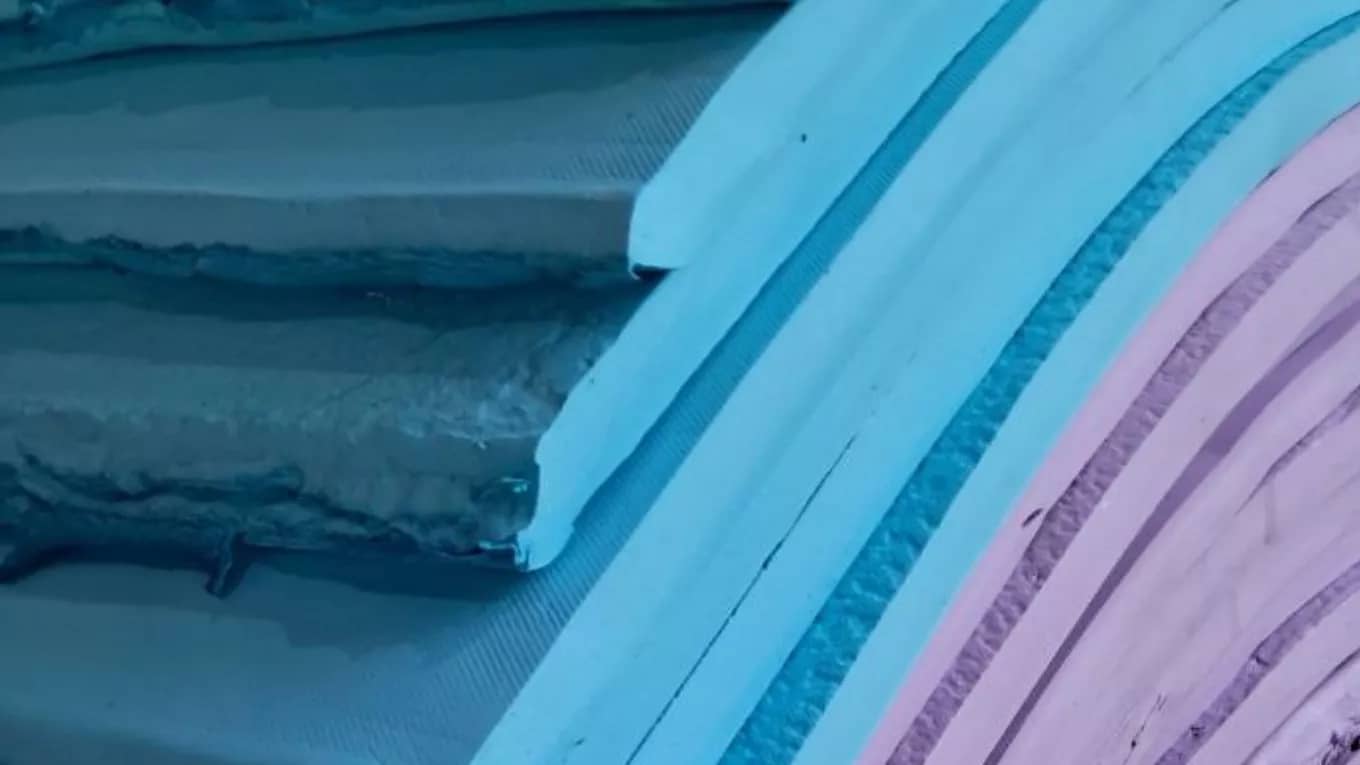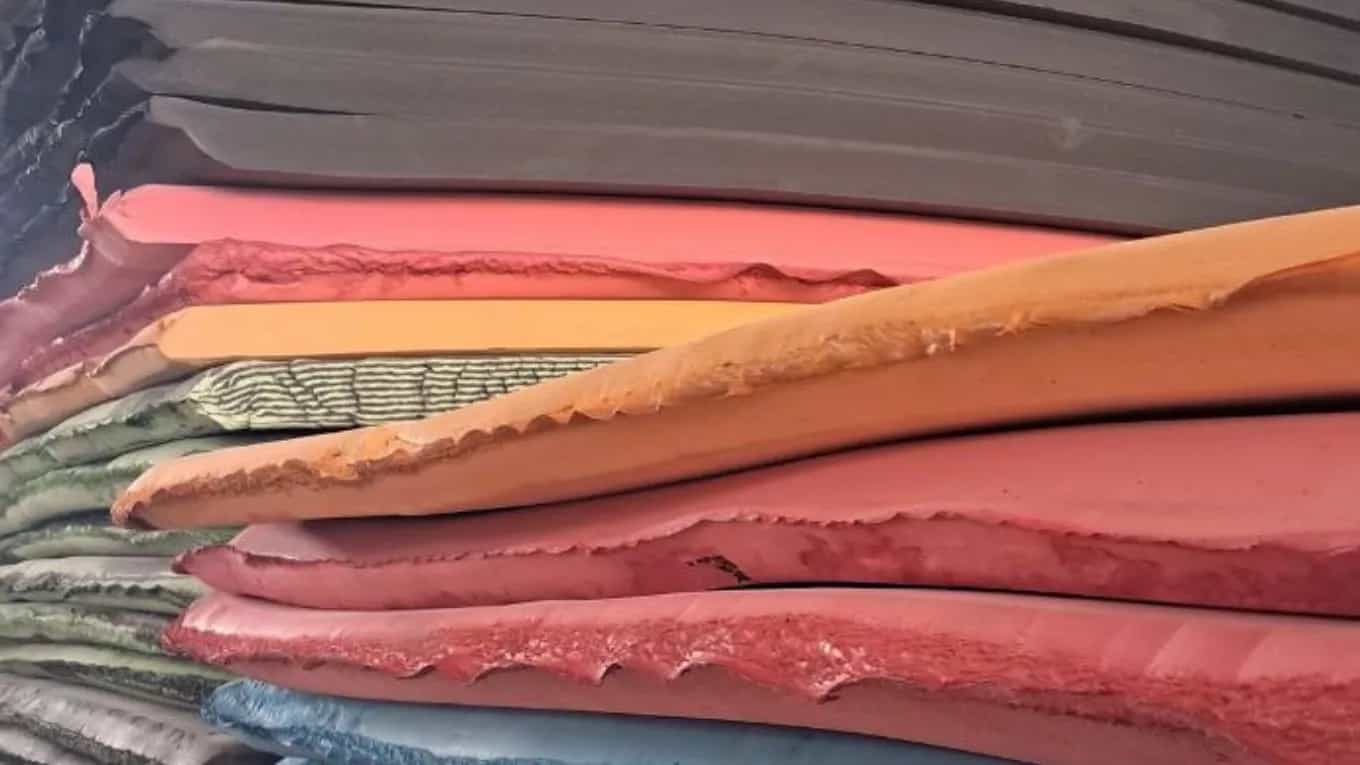
Foam is one of the most widely used materials in various industries, which has a special place in the production of industrial, construction, automobile and packaging products due to its light weight, flexibility, ability to absorb shock and diversity in structure. Today, types of foam are produced with different characteristics and thicknesses to cover different needs of consumers.
But do all foams have the same performance? Definitely not! Each type of foam has different characteristics according to raw materials, density, cell structure and production method. For example, the foam used for impact equipment is not necessarily a good choice for insulation or the production of sports products.
If you intend to buy foam for industrial, production or personal use, knowing the types of foam will help you choose a product that fits your needs and budget. In this article, you will get to know the most important foam models, their features, uses and important points for buying them.
What is foam and how is it produced?
Foam is a material whose structure consists of a large number of holes or cells. These cells can be open or closed, and this structural difference affects the flexibility, shock absorption, moisture resistance, and insulation properties of the product.
In the foam production process, polymer or rubber raw materials are processed by different methods to create a light and porous structure. Depending on the type of raw materials and the production method, the final product can be soft, semi-hard or compact.
The most important features that you should consider when checking the types of foam are:
- Density: The amount of material density per volume unit that affects weight and some mechanical properties.
- Thickness: One of the important factors in the performance of foam and its use.
- Flexibility: The degree of ability to bend and change shape without injury.
- Resistance to impact: The ability to absorb energy from impact and pressure.
- Resistance to moisture: dependent on the material and cell structure of the foam.
- Insulating properties: Ability to reduce heat or sound transmission in certain conditions.
Introducing the types of foam and the use of each
Knowing the category of foams is the first step to make the right purchase. In the following, we will learn about the most commonly used types of foam in the market.
1. Polyethylene foam (PE)
Polyethylene foam is one of the widely used foams in the packaging, insulation and production of protective parts industries. This product usually has a closed-cell structure and has attracted the attention of manufacturers due to its light weight, good resistance to moisture and the ability to absorb shock.
Features of polyethylene foam:
- Light weight and easy portability
- Suitable resistance against moisture penetration
- Ability to cut in different dimensions and thicknesses
- Property of impact and protection of products
- Usability to manufacture industrial parts
Uses:
This type of foam is used in the packaging of sensitive equipment, automotive industry, production of shock absorbers, insulation of some equipment and protection of parts.
2. EVA foam
EVA foam is produced from a combination of ethylene and vinyl acetate and is widely used in various industries due to its flexibility, softness and malleability.
One of the important advantages of EVA foam is the possibility of producing it in different colors, thicknesses and degrees of hardness. For this reason, manufacturers can order it according to the end use.
Features of EVA foam:
- Suitable flexibility and elasticity
- Ability to produce in various colors
- Relatively low weight
- Ability to cut and mold
- Suitable impact absorption in suitable applications
Applications of EVA foam:
- Production of soles of shoes and sandals
- Making of flooring and sports equipment
- Production of toys and educational products
- Bag and shoe industries
- Production of protective and shock absorbing parts
If you are looking for flexible foam to produce sports products or light parts, EVA foam can be one of the right options.
3. Polyurethane foam (PU)
Polyurethane foam is another type of foam that is produced in two general groups, soft and hard. Its soft type is widely used in the furniture and sleeping goods industries, and its hard type is used in some insulation systems.
Characteristics of polyurethane foam:
- Ability to produce with different densities
- Variety in softness and hardness
- Reversibility in suitable models
- Possibility of use in convenience and industrial products
Applications of polyurethane foam:
- Production of furniture and chairs
- Mattress and sleeping products
- Car interior parts
- Some insulation equipment
- Production of impact products
4. Foam rubber
Rubber foam is produced from rubber base materials and depending on its formulation and structure, it can have flexibility and good resistance against environmental factors.
Some rubber foam models have a closed-cell structure and are used for thermal insulation and reducing sweating on cold surfaces.
The most important features of rubber foam:
- Suitable flexibility
- Ability to be used in insulation
- Possibility of production in the form of sheets and rolls
- Ability to cut and install in different dimensions
- Suitable performance in specific industrial applications
This type of foam is used in facilities, ventilation systems, automotive industries and some industrial equipment.
5. Compressed foam
Compressed foam refers to products that are produced with a higher density and denser structure. The degree of compression of these products can affect their resistance to pressure and deformation.
Features of compressed foam:
- Dense structure compared to low-density models
- Suitable pressure resistance, according to the formulation
- Ability to produce in different thicknesses
- Possibility of use in protective and industrial applications
Compressed foam is used in the production of industrial parts, shock absorbers, sports equipment, some bag and shoe products and production uses.
6. Adhesive foam
Foam with adhesive backing is a type of foam that is equipped with an adhesive layer on one side. The presence of this layer makes it easier to install the product on different surfaces, and in many applications there is no need for separate gluing.
Advantages of adhesive backed foam:
- Easy and quick installation
- Reduction of work execution time
- Ability to cut into the required dimensions
- Application in sealing and tapping
- Possibility of production with various thicknesses
This product is used in automotive industry, industrial equipment, packaging and some construction applications. Of course, the quality of the glue and its compatibility with the installation surface are very important in the durability of the connection.
7. Sofa foam
Furniture foam is one of the most used products in the furniture and interior decoration industry. This foam is produced in different types with different degrees of softness and density, and its selection should be done according to the type of furniture and the amount of use.
Furniture foam applications:
- Production of sofa seats
- Manufacture of sofa backs and handles
- Production of office and household chairs
- Furniture repair and restoration
- Production of some decorative products
In choosing furniture foam, not only the softness of the product is important; But the durability, reversibility and compatibility of the density with the application should also be checked.
Comparison table of foam types
For an easier choice, see the general characteristics of some commonly used foam types in the table below.
Type of foam
Indicative feature
Common use
Polyethylene
Light and impact-resistant
Packaging and insulation
EVA
Flexible and formable
Shoes and sports equipment
Polyurethane
Variety of softness and hardness
Furniture and goods Sleep
Rubber
Flexible and insulating
Facilities and industry
Compressed foam
Higher density
Parts and bumpers
Adhesive back
Easy installation
Sealing and protection
Furniture foam
Variety of density and softness
Furniture production
Note that this comparison is general and the final performance of each product depends on the technical specifications, quality of raw materials and its production method.
What is the difference between open cell and closed cell foam?
One of the important criteria in recognizing different types of foam is their cell structure. This feature can change the performance of foam in different applications.
Open cell foam: In this structure, the cells are more connected to each other and air can pass through them. This type of foam is usually softer and is used in some sound absorbing applications, furniture and comfort products.
Closed cell foam: In this model, the cells have a more closed structure and usually the penetration of water and air in them is more limited. For this reason, some closed-cell models are more suitable for insulation and protection against moisture.
What points should we pay attention to when buying different types of foam?
Choosing the right foam depends on the type of use and required features. To avoid buying by mistake, it is better to check some important factors before placing an order.
1. Determine the end use of the product
First determine what the foam is used for. Do you need insulating foam or do you want a product for impact, packaging, shoe or furniture production? The answer to this question makes the choice easier.
2. Choose the right thickness and density
Thickness and density are two different characteristics. Thickness refers to the height or diameter of the foam, but the density indicates the mass of the material per unit volume. Both features should be selected according to the application.
3. Check the quality of raw materials
The quality of the raw materials affects the durability, flexibility and performance of the foam. It is better to check the technical specifications of the product before making a bulk purchase and if possible, test the sample.
4. Specify the dimensions and type of supply
Foams may be supplied in sheets, rolls, wedges or cut pieces. Choosing the right shape can prevent the waste of raw materials and additional costs.
5. Buy from a reputable manufacturer or supplier
Purchasing from a collection that has the ability to provide technical specifications and produce products according to the customer's needs helps to make a more accurate choice. It is also very important to be able to check the dimensions, thickness and conditions of the order before purchase.
Why is it important to buy directly from the foam manufacturer?
Buying direct from the manufacturer can have various benefits for consumers and businesses. In this method, it is possible to communicate with the production set and check the details of the order.
Among the advantages of direct purchase, the following can be mentioned:
If you are looking to buy different types of foam in Tehran, it is better to choose a collection that has product diversity and the ability to meet different needs.
Buying all kinds of foam from turquoise foam roll in Tehran
To buy different types of foam, it is very important to choose a manufacturer that offers a variety of products. Firouzi Foam Roll in Tehran is active in the production of foam sheets and rolls and has introduced products such as foam roll, foam sheet, compressed foam, EVA foam, adhesive foam, furniture foam, granule and bumper.
This variety of products can be useful for manufacturers, bag and shoe industry operators, packaging industries and collections that need foam sheets or rolls.
To view the products and check more information, you can visit the Turquoise Foam Roll website:
If you need guidance on choosing the type of foam, thickness, dimensions or the form of product supply, contact the collection before purchasing to receive the necessary information according to your desired application.
Call and order number: 09123976754
The right choice of foam can increase the quality of the final product and avoid additional costs in the production process. To receive advice and inquire about the price, contact Firouzi foam roll right now.
summary
Types of foam have different uses in different industries according to the material, cellular structure, density and thickness. Polyethylene foam is used for packaging and impact, EVA for sports products and shoes, polyurethane for furniture, rubber foam for some insulation applications, and compressed foam for denser parts.
To choose the best product, you must first specify the final application, environmental conditions and required technical specifications. Then choose the right option by comparing the products and getting advice from the manufacturer.
If you intend to buy foam sheet, foam roll, EVA foam, compressed foam or adhesive foam, contact Firouzi Foam Roll in Tehran to check the products and get the price:
۰۹۱۲۳۹۷۶۷۵۴
Website: https://fomrollfirozi.ir/
Different types of foams have been produced. These foams are used in the construction of buildings, insulation of houses from sound and heat, classification, decor industries, replicas (small sample of buildings) and crafts, automotive industries, studio acoustics, etc.